Do you know your name, your age, race, family, or your history, do you believe in it? How do you know that it has been like this for all your life? The horror of forgetting lies in the fact that you don’t truly remember what … you don't remember. We live our lives with an unjust assumption that our memories would never lie to us, and that we can trust them. But that is wrong on so many levels, firstly your brain makes a continuum of errors while making memories, from making false memories to simply wrong ones, neuroscientists have even found a way to efficiently create false memories into someone else's brain.
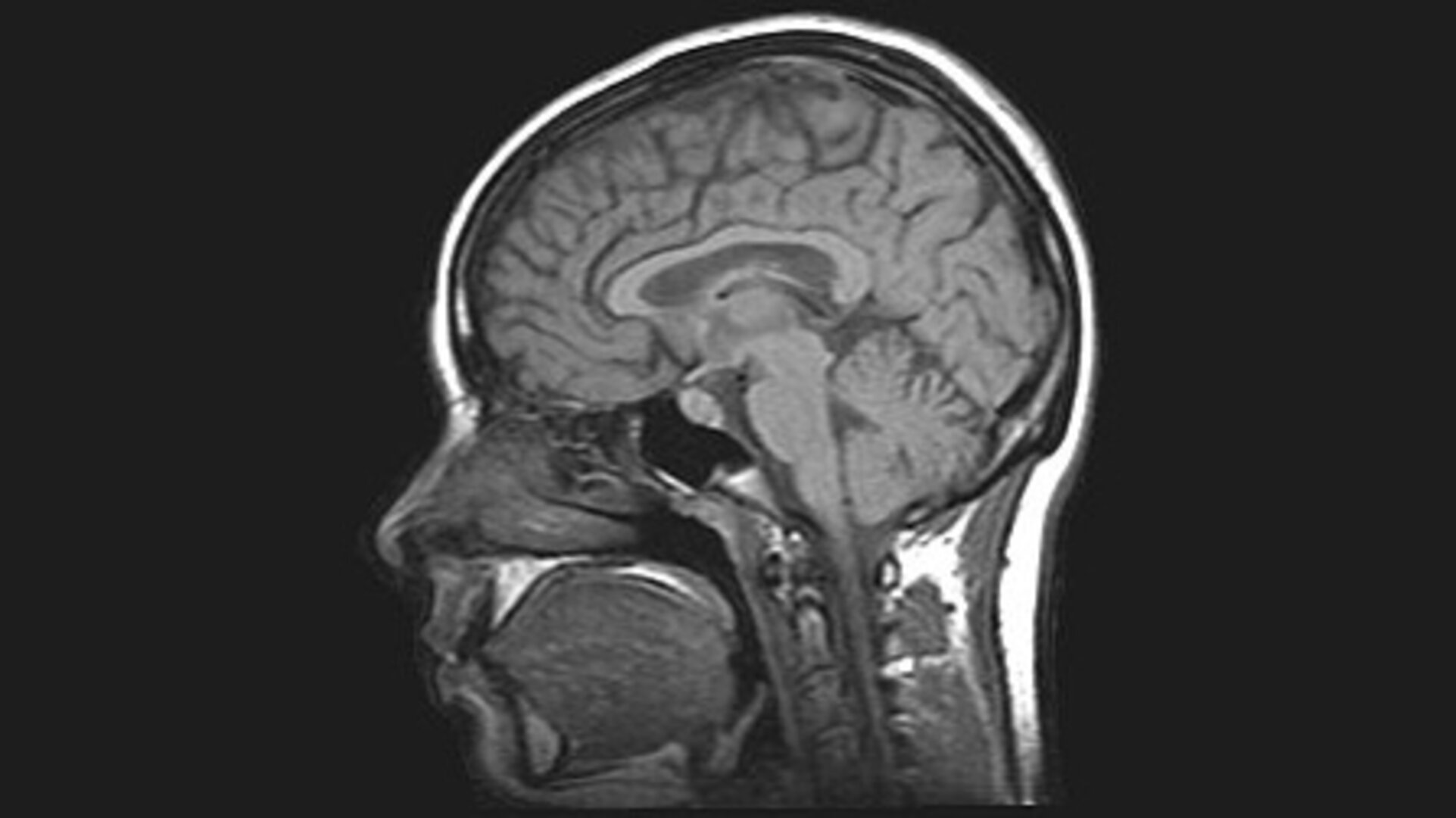
Yet the actual horror may come to at least 1 in 3 of us, when our grey matter starts to fade, and so do our memories and one day we wake up and we can not remember our past. Just imagine how you may feel when you wake in a random body, with no memory of being there, surrounded by people you don't know and care for. You're alone in a prison of your mind, abandoned by your family and abandoned by your past. The fear of forgetting sounds like a horror movie come true, a nightmare many face in real life. If you are scared of the nightmares you can imagine, be afraid of the ones you can't. The power of your memories define who you are, but have you ever though who are you outside of your memories, because if you only define your identity on them, well they can be taken away quite easily.


Hi Abdul! Your blog raises great points about the power of memory. Basic facts about myself like my name, age, race, and more have been ingrained in my head for so long, I’m not sure what I would do without knowing these things. They all shape my identity and my ability to interact with other people; so forgetting everything suddenly could result in feeling lost and hopeless and harm my chances at connecting with others. It’s genuinely a terrifying thing to think about.
ReplyDeleteIt’s even creepier how neuroscientists can plant fake memories into someone’s head. I can only hope that this is used for good things, like “returning” memories to people that struggle with Alzheimer’s and wish to remember more about their loved ones. Even without science, many people can remember things differently and create their own untrue memories. I remember reading about a study where one group of participants watched calming videos and another viewed violent ones, and then both were asked to observe a scenario. When brought back to the lab weeks later, there were notable discrepancies between how both groups described the scene.